
DOWNLOAD THE APP


Customer Services
Copyright © 2025 Desertcart Holdings Limited
DOWNLOAD THE APP


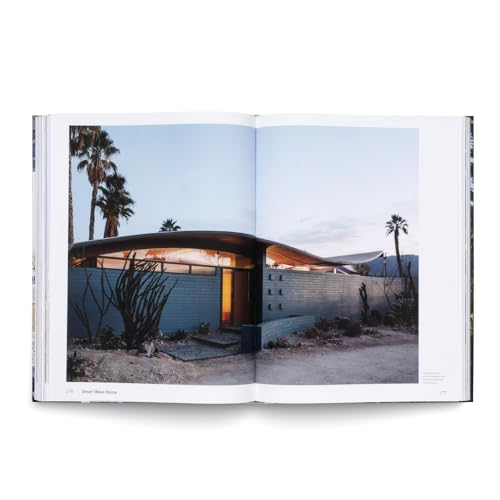

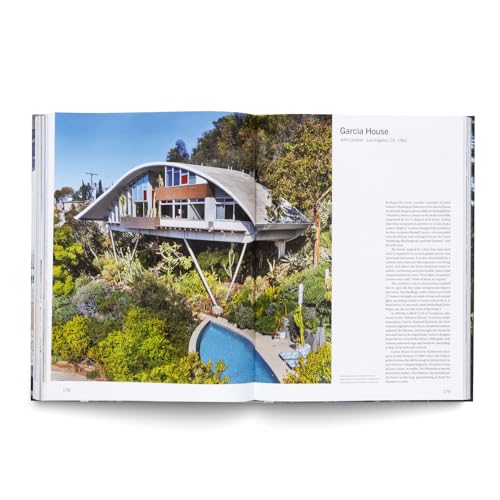
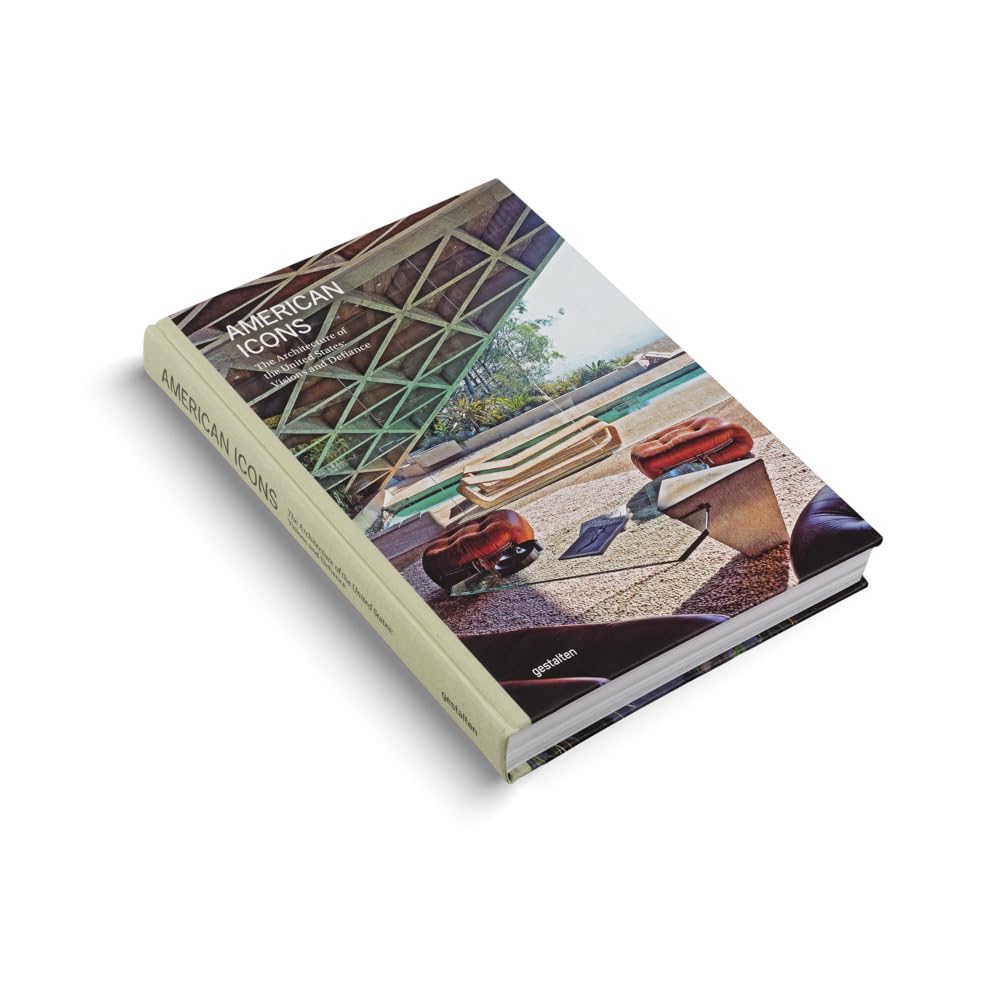
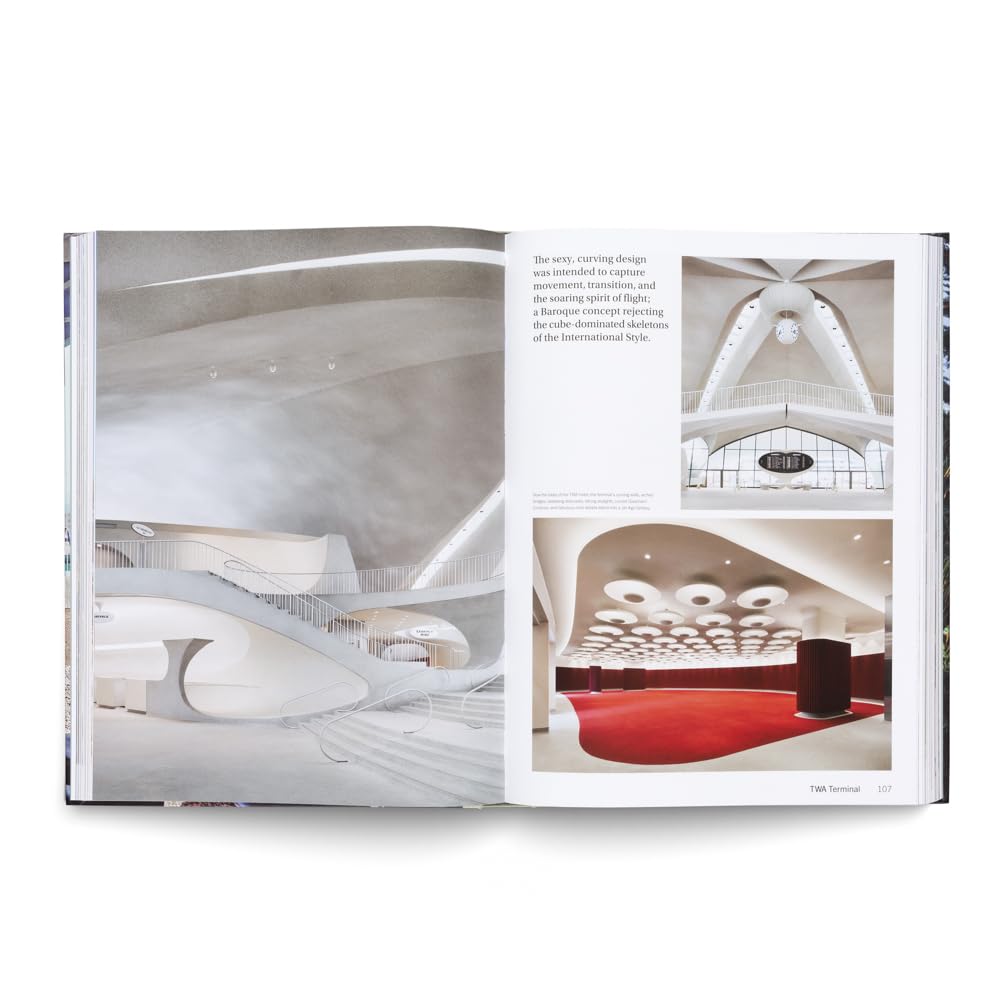

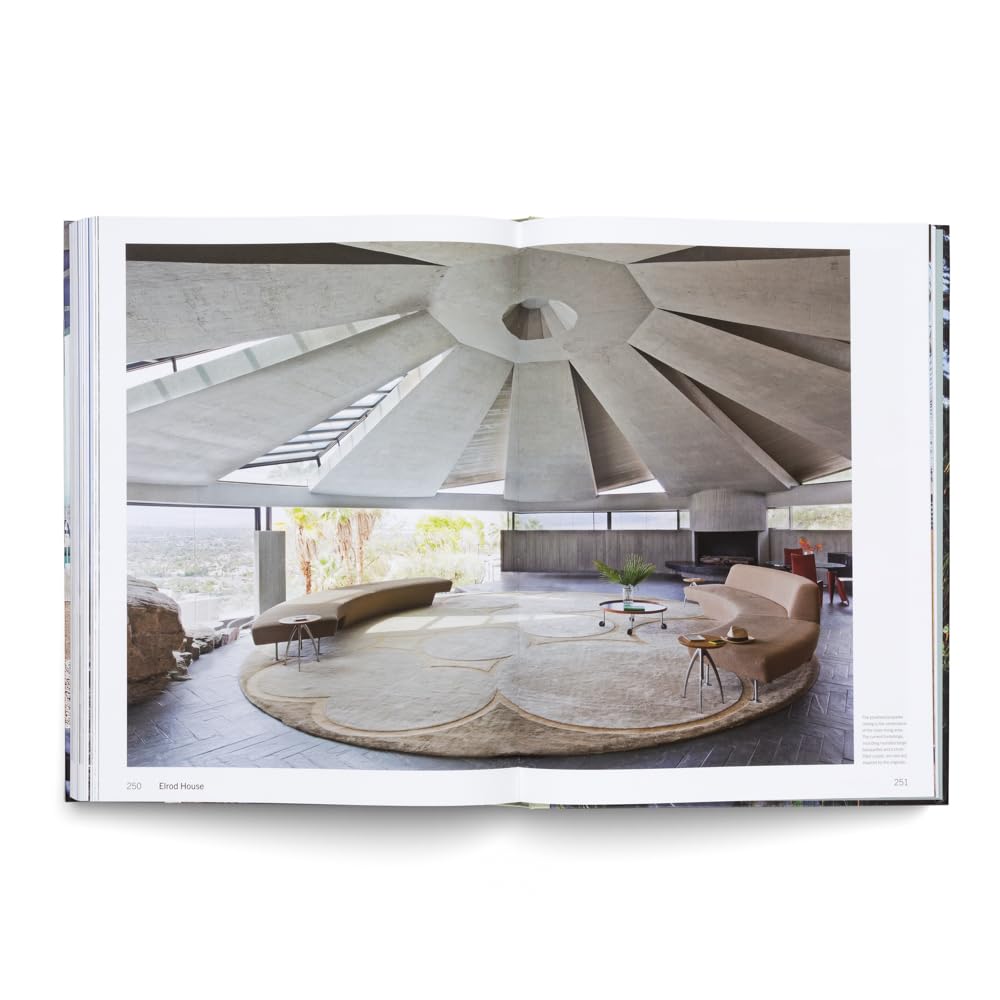
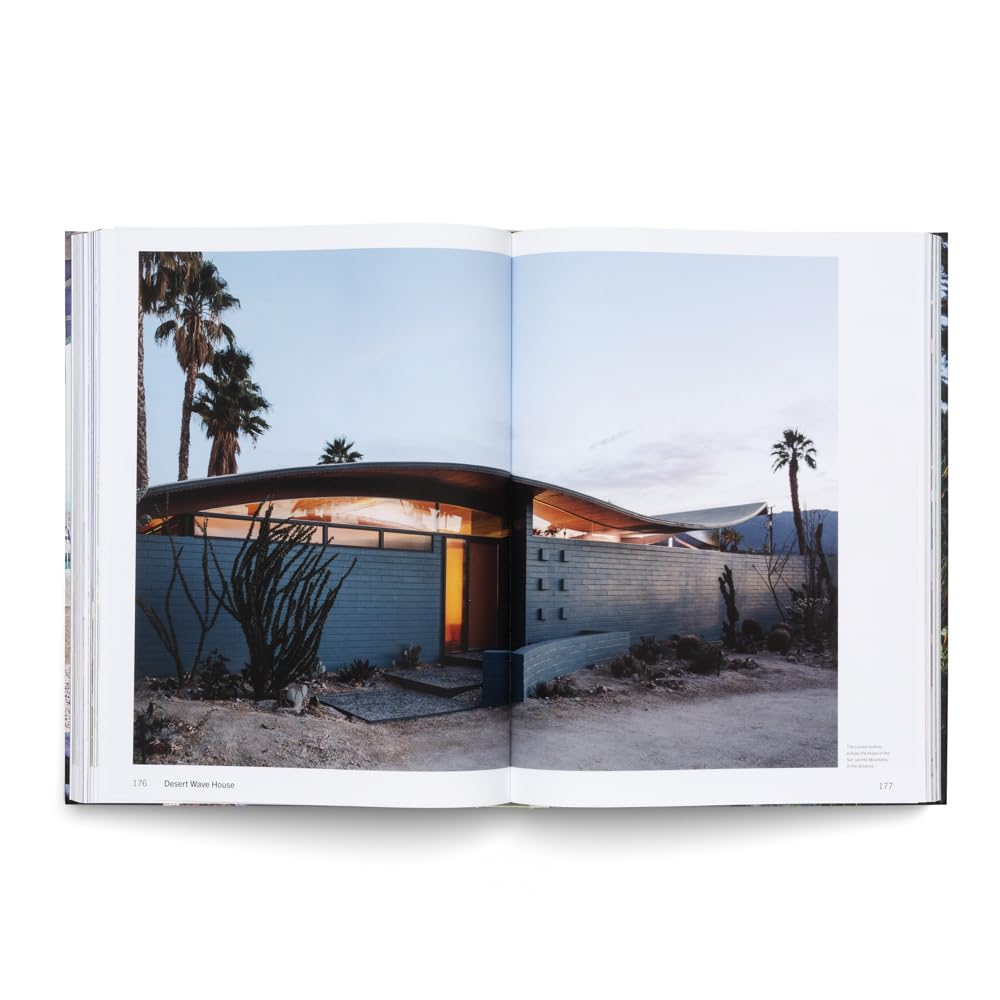
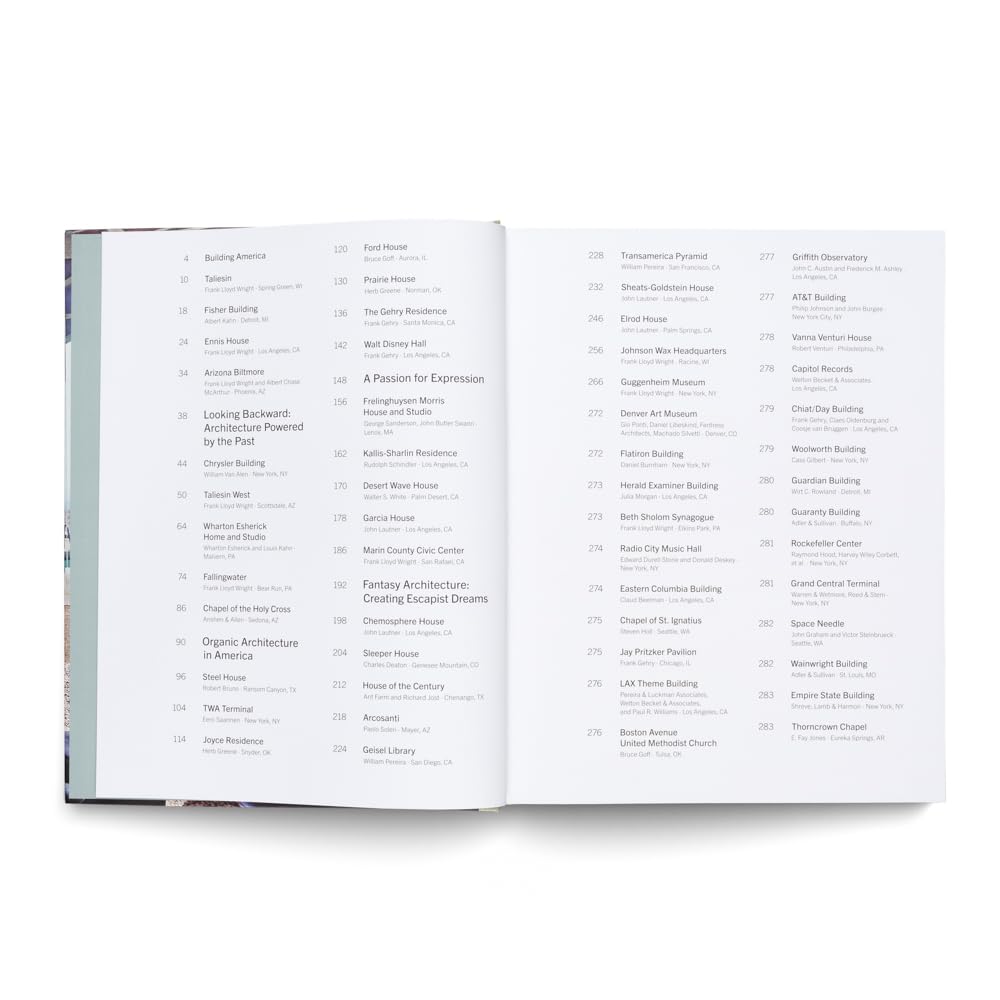

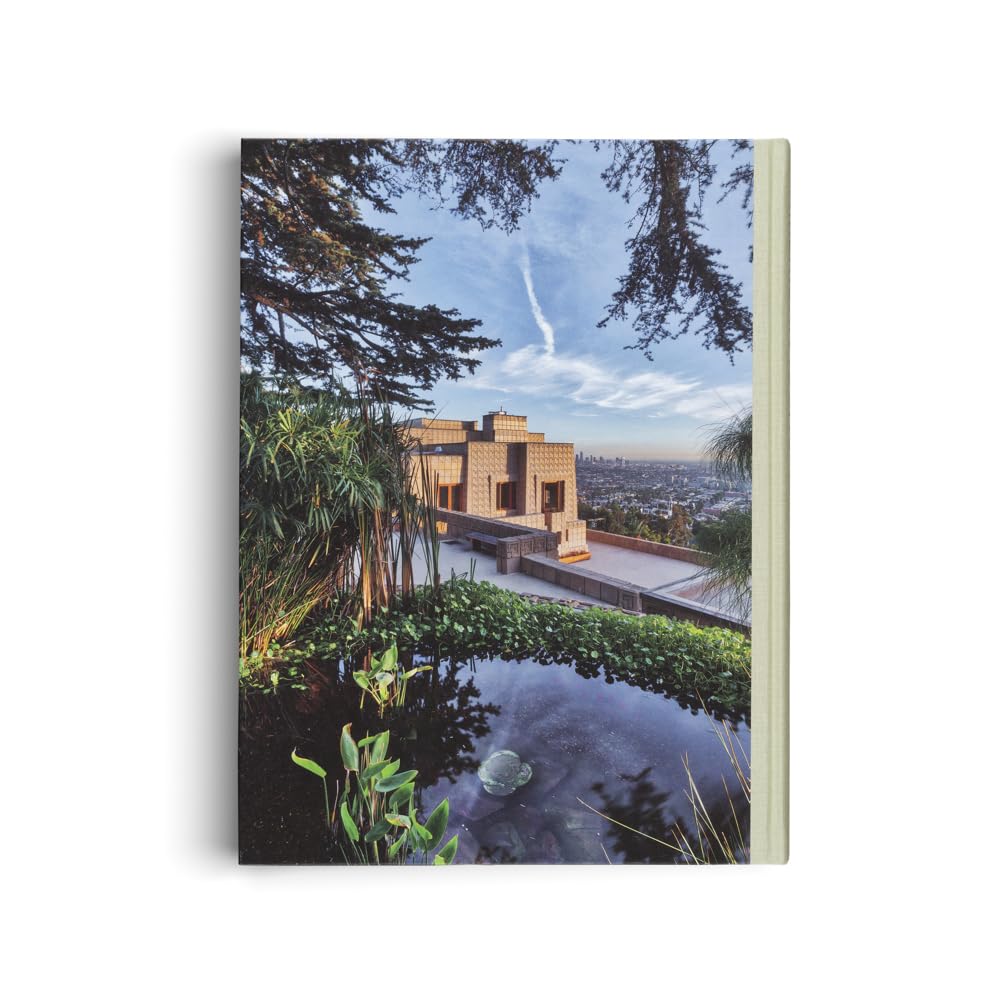

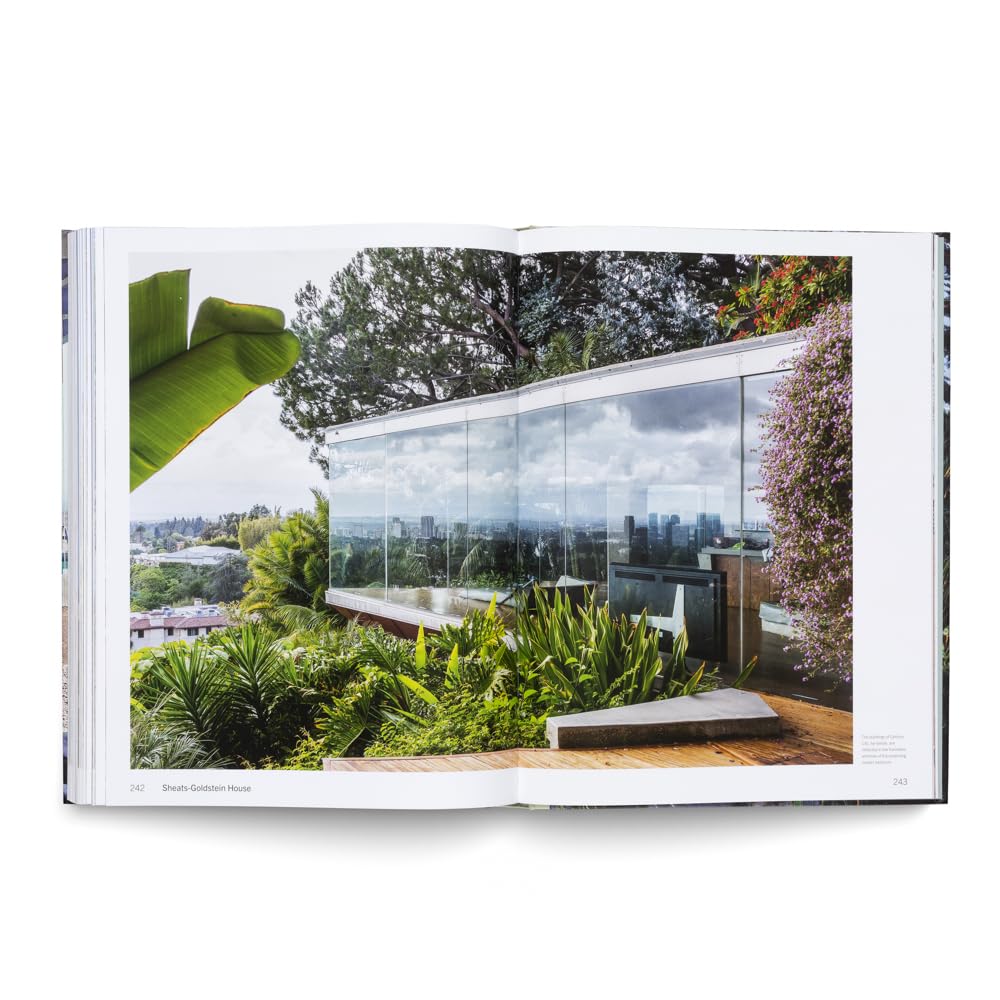
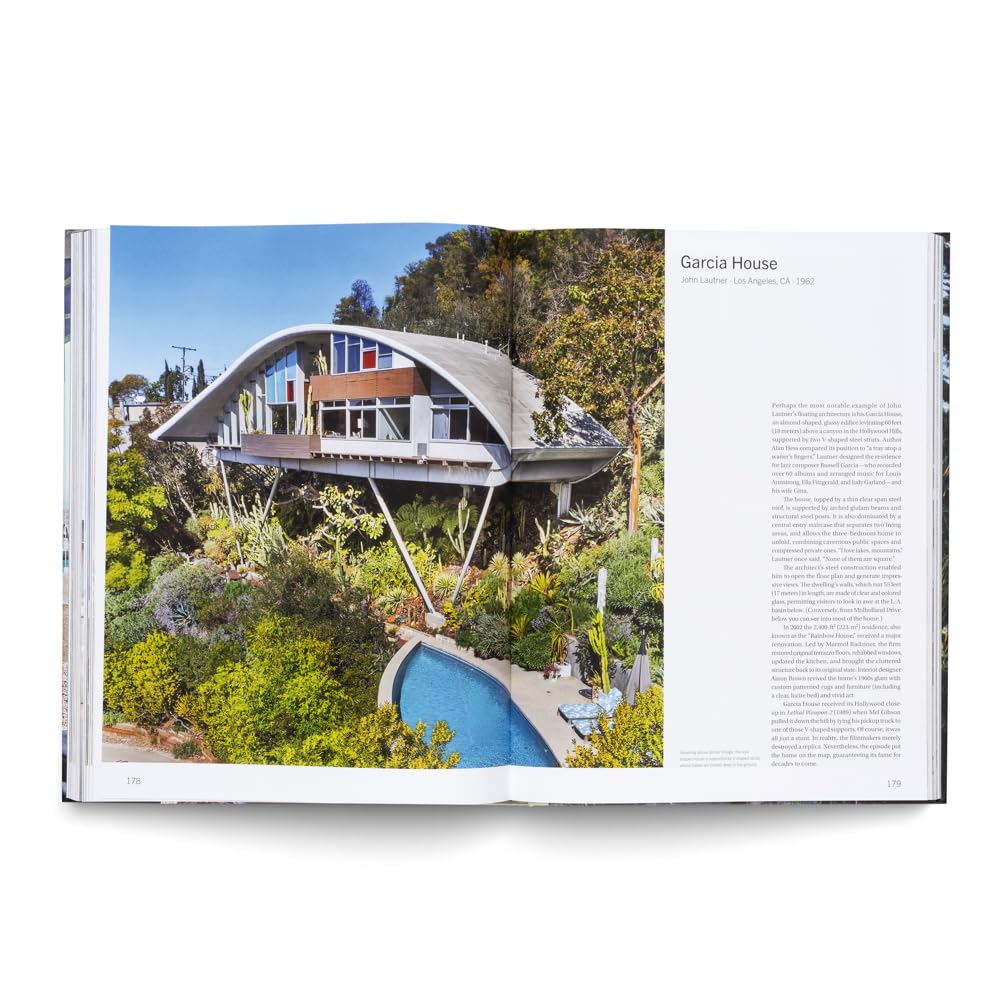
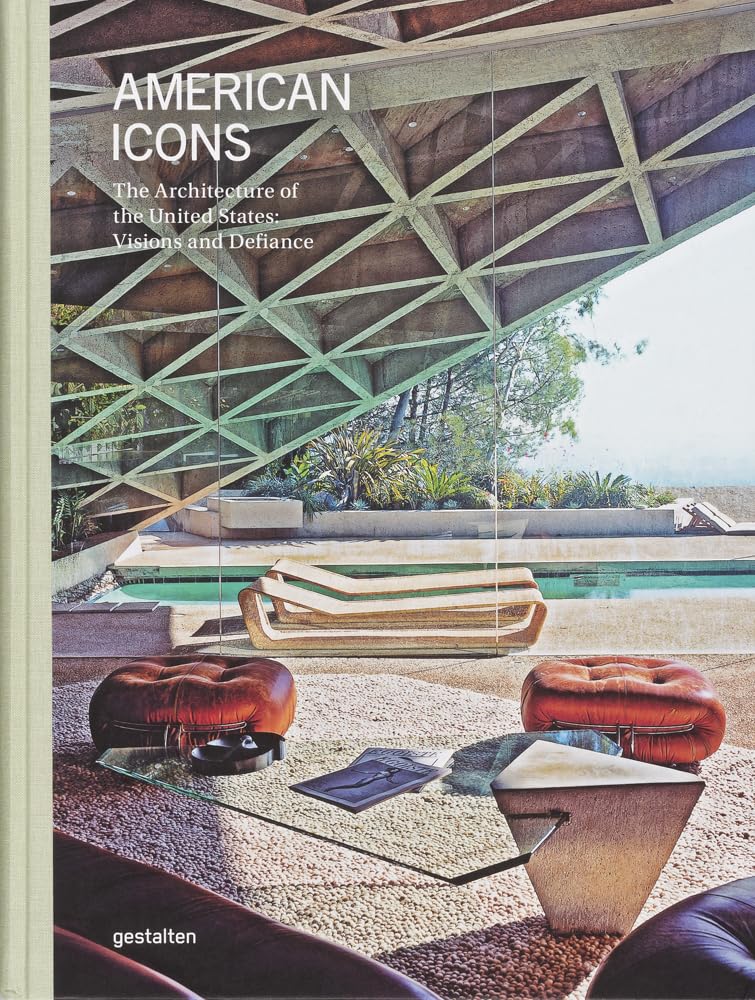
American Icons: The Architecture of the United States: Visions and Defiance [gestalten, Lubell, Sam] on desertcart.com. *FREE* shipping on qualifying offers. American Icons: The Architecture of the United States: Visions and Defiance Review: Impressive and broad; lots to process - The Cranbrook Art Museum in suburban Detroit had this on display as part of their 2025 mid-century modern exhibit. I was impressed and bought it on desertcart. I am an architect aficionado, mostly 20th century buildings. This book was broad in scope. Many iconic buildings.. Great pictures. And featured several buildings I wasn't familiar with, which was a huge plus. It is also well-organized. It even included two Detroit faves: the Fisher and Guardian buildings. Call me VERY impressed! When I finish reading I'm sure i will buy Volume 2. Review: A land of visionary buildings - Author Sam Lubell writes in the book's introduction that Frank LLoyd Wright was perhaps the main pioneer of the new organic architecture that influenced, in future decades, the building styles of John Lautner, Bruce Goff, Fay Jones, Herb Greene, Bill Peters and others. There was a stimulating counter to the work of these folk with the arrival, during the Thirties, of several European architects like Gropius, Mies van der Rohe, Breuer, Saarinen, Frey and Mendelsohn, all of the Modernist School. Their work, in later years, influenced Philip Johnson, Edward Durell Stone, Eero Saarinen, Pierre Koenig and William Pereira. The book reveals, in hundreds of color photos, the work of these architects backed up with a several hundred-word essay for each building by Lubell, who knows his stuff and writes in an easy conversational style. Of course, all the well-known buildings are here (justifiably Lloyd Wright has twelve) but what I liked about the contents was the selection of the lesser known buildings like Robert Bruno's 'Steel House', Herb Green's 'Praire House' or Ant Farm and Richard Jost's 'House of the Century'. I was particularly pleased to see that each building really made an attempt to show the structure, obviously the outside but several of the interiors. Bruce Goff's 'Ford House' has nine, Schindler's 'Kallis-Sharlin residence twelve, Lautner's 'Elrod House' ten. All the book's photos are big on the page, frequently with one over a spread. There are three essays between all the individual buildings where Lubell delves into various aspects of architecture and twelve pages near the back look at twenty-four buildings with a photo and long essay, this is followed by a building index. I liked 'American Icons', it's certainly a worthwhile look at some very creative architecture. I believe a second volume will be published later this year. You can look inside the book at Westread Book Reviews then click 2025 and March.


| Best Sellers Rank | #58,146 in Books ( See Top 100 in Books ) #20 in Architectural History #36 in Residential Architecture #123 in Interior Design |
| Customer Reviews | 4.0 4.0 out of 5 stars (9) |
| Dimensions | 9.65 x 1.42 x 12.99 inches |
| ISBN-10 | 3967041557 |
| ISBN-13 | 978-3967041552 |
| Item Weight | 4.78 pounds |
| Language | English |
| Print length | 288 pages |
| Publication date | October 22, 2024 |
| Publisher | gestalten |
F**D
Impressive and broad; lots to process
The Cranbrook Art Museum in suburban Detroit had this on display as part of their 2025 mid-century modern exhibit. I was impressed and bought it on Amazon. I am an architect aficionado, mostly 20th century buildings. This book was broad in scope. Many iconic buildings.. Great pictures. And featured several buildings I wasn't familiar with, which was a huge plus. It is also well-organized. It even included two Detroit faves: the Fisher and Guardian buildings. Call me VERY impressed! When I finish reading I'm sure i will buy Volume 2.
R**N
A land of visionary buildings
Author Sam Lubell writes in the book's introduction that Frank LLoyd Wright was perhaps the main pioneer of the new organic architecture that influenced, in future decades, the building styles of John Lautner, Bruce Goff, Fay Jones, Herb Greene, Bill Peters and others. There was a stimulating counter to the work of these folk with the arrival, during the Thirties, of several European architects like Gropius, Mies van der Rohe, Breuer, Saarinen, Frey and Mendelsohn, all of the Modernist School. Their work, in later years, influenced Philip Johnson, Edward Durell Stone, Eero Saarinen, Pierre Koenig and William Pereira. The book reveals, in hundreds of color photos, the work of these architects backed up with a several hundred-word essay for each building by Lubell, who knows his stuff and writes in an easy conversational style. Of course, all the well-known buildings are here (justifiably Lloyd Wright has twelve) but what I liked about the contents was the selection of the lesser known buildings like Robert Bruno's 'Steel House', Herb Green's 'Praire House' or Ant Farm and Richard Jost's 'House of the Century'. I was particularly pleased to see that each building really made an attempt to show the structure, obviously the outside but several of the interiors. Bruce Goff's 'Ford House' has nine, Schindler's 'Kallis-Sharlin residence twelve, Lautner's 'Elrod House' ten. All the book's photos are big on the page, frequently with one over a spread. There are three essays between all the individual buildings where Lubell delves into various aspects of architecture and twelve pages near the back look at twenty-four buildings with a photo and long essay, this is followed by a building index. I liked 'American Icons', it's certainly a worthwhile look at some very creative architecture. I believe a second volume will be published later this year. You can look inside the book at Westread Book Reviews then click 2025 and March.
H**I
Gift
It was a gift and the recipient is totally pleased. Harold
Trustpilot
2 weeks ago
1 month ago