
Buy anything from 5,000+ international stores. One checkout price. No surprise fees. Join 2M+ shoppers on Desertcart.
Desertcart purchases this item on your behalf and handles shipping, customs, and support to Hungary.
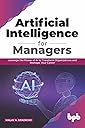
Understand how to adopt and implement AI in your organization Key Features 7 Principles of an AI Journey The TUSCANE Approach to Become Data Ready The FAB-4 Model to Choose the Right AI Solution Major AI Techniques & their Applications: - CART & Ensemble Learning - Clustering, Association Rules & Search - Reinforcement Learning - Natural Language Processing - Image Recognition Description Most AI initiatives in organizations fail today not because of a lack of good AI solutions, but because of a lack of understanding of AI among its end users, decision makers and investors. Today, organizations need managers who can leverage AI to solve business problems and provide a competitive advantage. This book is designed to enable you to fill that need, and create an edge for your career. The chapters offer unique managerial frameworks to guide an organization's AI journey. The first section looks at what AI is; and how you can prepare for it, decide when to use it, and avoid pitfalls on the way. The second section dives into the different AI techniques and shows you where to apply them in business. The final section then prepares you from a strategic AI leadership perspective to lead the future of organizations. By the end of the book, you will be ready to offer any organization the capability to use AI successfully and responsibly - a need that is fast becoming a necessity. What will you learn Understand the major AI techniques & how they are used in business. Determine which AI technique(s) can solve your business problem. Decide whether to build or buy an AI solution. Estimate the financial value of an AI solution or company. Frame a robust policy to guide the responsible use of AI. Who this book is for This book is for Executives, Managers and Students on both Business and Technical teams who would like to use Artificial Intelligence effectively to solve business problems or get an edge in their careers. Table of Contents 1. Preface 2. Acknowledgement 3. About the Author 4. Section 1: Beginning an AI Journey 5. Section 2: Choosing the Right AI Techniques 6. Section 3: Using AI Successfully & Responsibly 7. Epilogue About the Authors Malay A. Upadhyay is a Customer Journey executive, certified in Machine Learning. Over the course of his role heading the function at a N. American AI SaaS firm in Toronto, Malay trained 150+ N. American managers on the basics of AI and its successful adoption, held executive thought leadership sessions for CEOs and CHROs on AI strategy & IT modernization roadmaps, and worked as the primary liaison to realize AI value on unique customer datasets. It was here that he learnt the growing need for greater knowledge and awareness of how to use AI both responsibly and successfully. Malay was also one of 25 individuals chosen globally to envision the industrial future for the Marzotto Group, Italy, on its 175th anniversary. He holds an MBA, M.Sc., and B.E., with experiences across India, UAE, Italy, and Canada. A Duke of Edinburgh awardee, Malay has been driving the subject of responsible AI management as an advisor, author, online instructor and member of the European AI Alliance that informed the HLEG on the European Commission’s AI policy. At other times, he remains a Fly that loves to travel and blog with Mrs. Fly. Blog links : www.TheUpadhyays.com Review: A great book - It was a great book. I enjoyed reading this book. Review: A masterpiece book by Malay A. Upadhyay - It is a great book, that is in simple language without any code snippets because as the author cleared in the title that book is for managers to understand the AI Journey, various AI techniques, and risks. AI has generated a lot of curiosity in business managers; However, many Managers still struggle to appreciate How AI works and whether they can apply AI to their business case. The book title is quite intriguing and comprised of 3 Sections covering 10 Chapters and has a wonderful example of Maya's robot referred to from the first chapter till the end of the book for conceptual clarity. 𝐖𝐡𝐞𝐭𝐡𝐞𝐫 𝐰𝐞 𝐭𝐡𝐢𝐧𝐤 𝐀𝐈 𝐢𝐬 𝐝𝐚𝐧𝐠𝐞𝐫𝐨𝐮𝐬 𝐨𝐫 𝐚 𝐠𝐢𝐟𝐭, 𝐰𝐞 𝐡𝐚𝐯𝐞 𝐭𝐨 𝐮𝐧𝐝𝐞𝐫𝐬𝐭𝐚𝐧𝐝 𝐢𝐭 𝐩𝐫𝐨𝐩𝐞𝐫𝐥𝐲 𝐟𝐢𝐫𝐬𝐭. 𝐀𝐧𝐝 𝐭𝐡𝐚𝐭 𝐛𝐫𝐢𝐧𝐠𝐬 𝐮𝐬 𝐭𝐨 𝐭𝐡𝐞 𝐩𝐫𝐨𝐛𝐥𝐞𝐦 𝐚𝐭 𝐡𝐚𝐧𝐝. Most AI initiatives fail today not because of a lack of good solutions but because of one or more of the following issues on the management side: • Lack of understanding of what AI is and why/when it can be powerful • Unrealistic expectations of what AI can do • Absence of a proper business strategy in place around AI • Wrong choice of the type of AI technique for a business problem • Uninformed choice of a weak/superficial AI solution • Lack of readiness in terms of data • Lack of employee and/or leadership support. The growth and success of AI depend on the support and investment it receives from informed current and future organizational leaders and managers. After all, they are the sponsors, decision-makers, and end-users of AI. What is also boosting our need for AI is our declining cognitive ability: the more we use phones and other digital technologies, the more distracted we become. AI is also timing itself well to converge neatly with Blockchain and the Internet of Things (IoT). 𝐁𝐥𝐨𝐜𝐤𝐜𝐡𝐚𝐢𝐧 𝐜𝐚𝐧 𝐛𝐮𝐢𝐥𝐝 𝐬𝐞𝐜𝐮𝐫𝐞 𝐧𝐞𝐭𝐰𝐨𝐫𝐤𝐬 𝐚𝐧𝐝 𝐮𝐧𝐞𝐧𝐝𝐢𝐧𝐠 𝐭𝐫𝐚𝐢𝐥𝐬 𝐨𝐟 𝐝𝐚𝐭𝐚 𝐟𝐫𝐨𝐦 𝐰𝐡𝐢𝐜𝐡 𝐀𝐈 𝐜𝐚𝐧 𝐞𝐱𝐭𝐫𝐚𝐜𝐭 𝐦𝐞𝐚𝐧𝐢𝐧𝐠𝐟𝐮𝐥 𝐢𝐧𝐟𝐨𝐫𝐦𝐚𝐭𝐢𝐨𝐧 𝐭𝐨 𝐞𝐧𝐚𝐛𝐥𝐞 𝐢𝐧𝐭𝐞𝐥𝐥𝐢𝐠𝐞𝐧𝐭 𝐈𝐨𝐓 𝐬𝐲𝐬𝐭𝐞𝐦𝐬 𝐭𝐨 𝐩𝐞𝐫𝐟𝐨𝐫𝐦 𝐭𝐡𝐞𝐢𝐫 𝐚𝐜𝐭𝐢𝐨𝐧𝐬 𝐞𝐟𝐟𝐢𝐜𝐢𝐞𝐧𝐭𝐥𝐲 𝐚𝐧𝐝 𝐫𝐞𝐥𝐢𝐚𝐛𝐥𝐲! 𝐓𝐡𝐞 𝐠𝐫𝐨𝐰𝐭𝐡 𝐰𝐚𝐬 𝐮𝐧𝐝𝐞𝐫𝐥𝐢𝐧𝐞𝐝 𝐢𝐧 2017 𝐛𝐲 𝐑𝐮𝐬𝐬𝐢𝐚𝐧 𝐏𝐫𝐞𝐬𝐢𝐝𝐞𝐧𝐭 𝐕𝐥𝐚𝐝𝐢𝐦𝐢𝐫 𝐏𝐮𝐭𝐢𝐧, 𝐰𝐡𝐨 𝐬𝐚𝐢𝐝 𝐭𝐡𝐚𝐭 𝐰𝐡𝐨𝐞𝐯𝐞𝐫 𝐛𝐞𝐜𝐨𝐦𝐞𝐬 𝐭𝐡𝐞 𝐥𝐞𝐚𝐝𝐞𝐫 𝐢𝐧 𝐀𝐈 𝐰𝐢𝐥𝐥 𝐛𝐞𝐜𝐨𝐦𝐞 𝐭𝐡𝐞 𝐫𝐮𝐥𝐞𝐫 𝐨𝐟 𝐭𝐡𝐞 𝐰𝐨𝐫𝐥𝐝. 𝐈𝐭 𝐰𝐚𝐬 𝐬𝐨𝐨𝐧 𝐟𝐨𝐥𝐥𝐨𝐰𝐞𝐝 𝐛𝐲 𝐒𝐩𝐚𝐜𝐞𝐗 𝐚𝐧𝐝 𝐓𝐞𝐬𝐥𝐚 𝐂𝐄𝐎 𝐄𝐥𝐨𝐧 𝐌𝐮𝐬𝐤, 𝐰𝐡𝐨 𝐚𝐝𝐝𝐞𝐝 𝐭𝐡𝐚𝐭 𝐜𝐨𝐦𝐩𝐞𝐭𝐢𝐭𝐢𝐨𝐧 𝐢𝐧 𝐀𝐈 𝐬𝐞𝐜𝐮𝐫𝐢𝐭𝐲 𝐚𝐭 𝐭𝐡𝐞 𝐧𝐚𝐭𝐢𝐨𝐧𝐚𝐥 𝐥𝐞𝐯𝐞𝐥 𝐰𝐨𝐮𝐥𝐝 𝐦𝐨𝐬𝐭 𝐥𝐢𝐤𝐞𝐥𝐲 𝐛𝐞 𝐭𝐡𝐞 𝐜𝐚𝐮𝐬𝐞 𝐨𝐟 𝐖𝐖3. I do realize that this title is a must for all managers whose role is just not to manage the team's activities but to make informed decisions, choose the right data, and prepare the mindset of resources within the team to accept and get the results out of AI solutions. Author, Maya, already described various existing AI-enabled tools, and applications. Also, make clear by giving options like Build AI solutions, and Buy AI solutions based on the need, data, existing resource capabilities, and requirements of the organization. Moreover as mentioned in the book - managers don't need to learn code to use and understand AI. ML, NPL, and Deep learning concepts are described with the help of use cases. Seven principles should always be kept in mind while adopting AI: 1. Have all data in one place or have them seamlessly connected to one system. 2. As a first step, break down the core problem into specific use cases that may or may not be solved by AI. 3. Choose the software that's the right fit for your needs, budget & existing organizational systems, and processes, rather than going for the most popular ones. 4. Choose AI software that can show the rationale behind its analysis, especially for critical tasks and decision-making. 5. Ensure that data is proper and ready for AI use. 6. Effective AI requires proper adoption by the users, the right processes to support it, the right measures to keep it working properly, and only the desired degree of disruption to existing systems and processes. 7. Not all solutions have to be AI. The data required for an AI solution should always fulfill a set of conditions. For ease of remembering, let's call these conditions, TUSCANE: 1. Timely, which means that it is either up to date, getting updated regularly, or belonging to the time that is being analyzed. 2. Usable, which generally requires data to be in one place and available without restrictions so that it can be easily accessed. 3. Structured. For a business manager, 'structure' implies a dataset that is not effectively garbage and devoid of logic, relevance, or analysis to the problem that AI is supposed to solve. 4. Complete. Incomplete data has to be dealt with and filled out for AI to properly analyze information. 5. Accurate. Inaccurate or erroneous data is the number one reason for inaccurate results. 6. Neutral and not biased. The number two reason for inaccurate results and the number one reason to think about AI ethics is bias. Bias in data is often difficult to catch and can lead to insights that appear accurate at first but cease to be if the situation changes. Worse, the insights may continue to appear accurate even if they are not. 7. Enough. Techniques like Deep Learning or even Machine Learning require a lot of data to be effective. An AI journey requires an investment of time and money, training of both the AI model and its end users, and policies to govern its performance effectively and ethically. All of these tie into the organizational strategy. There are a few best practices that can help weave a clear strategy around AI. These include: • Start small, with a low-risk pilot • Gauge the level of support and expectations from the leadership • Be clear on why a team wants to use AI before undertaking a project • Involve managers from all relevant teams to gauge project feasibility • Identify the roles, responsibilities, and accountabilities. Technology brings some risks and accordingly benefits and responsibilities to decision-makers, managers, end users, and sponsors so AI is not risk-proof. So, benefits, and risks are honestly mentioned. Here is a quote available in the book: 𝐍𝐨 𝐚𝐫𝐦𝐲 𝐜𝐚𝐧 𝐬𝐭𝐨𝐩 𝐚𝐧 𝐢𝐝𝐞𝐚 𝐰𝐡𝐨𝐬𝐞 𝐭𝐢𝐦𝐞 𝐡𝐚𝐬 𝐜𝐨𝐦𝐞 - 𝐕𝐢𝐜𝐭𝐨𝐫 𝐇𝐮𝐠𝐨 I would recommend this book to everyone to understand AI in a simplistic approach.
| Best Sellers Rank | #2,394,446 in Books ( See Top 100 in Books ) #994 in Artificial Intelligence (Books) #1,734 in Business Management (Books) #4,306 in Artificial Intelligence & Semantics |
| Customer Reviews | 4.5 out of 5 stars 20 Reviews |
M**A
A great book
It was a great book. I enjoyed reading this book.
J**I
A masterpiece book by Malay A. Upadhyay
It is a great book, that is in simple language without any code snippets because as the author cleared in the title that book is for managers to understand the AI Journey, various AI techniques, and risks. AI has generated a lot of curiosity in business managers; However, many Managers still struggle to appreciate How AI works and whether they can apply AI to their business case. The book title is quite intriguing and comprised of 3 Sections covering 10 Chapters and has a wonderful example of Maya's robot referred to from the first chapter till the end of the book for conceptual clarity. 𝐖𝐡𝐞𝐭𝐡𝐞𝐫 𝐰𝐞 𝐭𝐡𝐢𝐧𝐤 𝐀𝐈 𝐢𝐬 𝐝𝐚𝐧𝐠𝐞𝐫𝐨𝐮𝐬 𝐨𝐫 𝐚 𝐠𝐢𝐟𝐭, 𝐰𝐞 𝐡𝐚𝐯𝐞 𝐭𝐨 𝐮𝐧𝐝𝐞𝐫𝐬𝐭𝐚𝐧𝐝 𝐢𝐭 𝐩𝐫𝐨𝐩𝐞𝐫𝐥𝐲 𝐟𝐢𝐫𝐬𝐭. 𝐀𝐧𝐝 𝐭𝐡𝐚𝐭 𝐛𝐫𝐢𝐧𝐠𝐬 𝐮𝐬 𝐭𝐨 𝐭𝐡𝐞 𝐩𝐫𝐨𝐛𝐥𝐞𝐦 𝐚𝐭 𝐡𝐚𝐧𝐝. Most AI initiatives fail today not because of a lack of good solutions but because of one or more of the following issues on the management side: • Lack of understanding of what AI is and why/when it can be powerful • Unrealistic expectations of what AI can do • Absence of a proper business strategy in place around AI • Wrong choice of the type of AI technique for a business problem • Uninformed choice of a weak/superficial AI solution • Lack of readiness in terms of data • Lack of employee and/or leadership support. The growth and success of AI depend on the support and investment it receives from informed current and future organizational leaders and managers. After all, they are the sponsors, decision-makers, and end-users of AI. What is also boosting our need for AI is our declining cognitive ability: the more we use phones and other digital technologies, the more distracted we become. AI is also timing itself well to converge neatly with Blockchain and the Internet of Things (IoT). 𝐁𝐥𝐨𝐜𝐤𝐜𝐡𝐚𝐢𝐧 𝐜𝐚𝐧 𝐛𝐮𝐢𝐥𝐝 𝐬𝐞𝐜𝐮𝐫𝐞 𝐧𝐞𝐭𝐰𝐨𝐫𝐤𝐬 𝐚𝐧𝐝 𝐮𝐧𝐞𝐧𝐝𝐢𝐧𝐠 𝐭𝐫𝐚𝐢𝐥𝐬 𝐨𝐟 𝐝𝐚𝐭𝐚 𝐟𝐫𝐨𝐦 𝐰𝐡𝐢𝐜𝐡 𝐀𝐈 𝐜𝐚𝐧 𝐞𝐱𝐭𝐫𝐚𝐜𝐭 𝐦𝐞𝐚𝐧𝐢𝐧𝐠𝐟𝐮𝐥 𝐢𝐧𝐟𝐨𝐫𝐦𝐚𝐭𝐢𝐨𝐧 𝐭𝐨 𝐞𝐧𝐚𝐛𝐥𝐞 𝐢𝐧𝐭𝐞𝐥𝐥𝐢𝐠𝐞𝐧𝐭 𝐈𝐨𝐓 𝐬𝐲𝐬𝐭𝐞𝐦𝐬 𝐭𝐨 𝐩𝐞𝐫𝐟𝐨𝐫𝐦 𝐭𝐡𝐞𝐢𝐫 𝐚𝐜𝐭𝐢𝐨𝐧𝐬 𝐞𝐟𝐟𝐢𝐜𝐢𝐞𝐧𝐭𝐥𝐲 𝐚𝐧𝐝 𝐫𝐞𝐥𝐢𝐚𝐛𝐥𝐲! 𝐓𝐡𝐞 𝐠𝐫𝐨𝐰𝐭𝐡 𝐰𝐚𝐬 𝐮𝐧𝐝𝐞𝐫𝐥𝐢𝐧𝐞𝐝 𝐢𝐧 2017 𝐛𝐲 𝐑𝐮𝐬𝐬𝐢𝐚𝐧 𝐏𝐫𝐞𝐬𝐢𝐝𝐞𝐧𝐭 𝐕𝐥𝐚𝐝𝐢𝐦𝐢𝐫 𝐏𝐮𝐭𝐢𝐧, 𝐰𝐡𝐨 𝐬𝐚𝐢𝐝 𝐭𝐡𝐚𝐭 𝐰𝐡𝐨𝐞𝐯𝐞𝐫 𝐛𝐞𝐜𝐨𝐦𝐞𝐬 𝐭𝐡𝐞 𝐥𝐞𝐚𝐝𝐞𝐫 𝐢𝐧 𝐀𝐈 𝐰𝐢𝐥𝐥 𝐛𝐞𝐜𝐨𝐦𝐞 𝐭𝐡𝐞 𝐫𝐮𝐥𝐞𝐫 𝐨𝐟 𝐭𝐡𝐞 𝐰𝐨𝐫𝐥𝐝. 𝐈𝐭 𝐰𝐚𝐬 𝐬𝐨𝐨𝐧 𝐟𝐨𝐥𝐥𝐨𝐰𝐞𝐝 𝐛𝐲 𝐒𝐩𝐚𝐜𝐞𝐗 𝐚𝐧𝐝 𝐓𝐞𝐬𝐥𝐚 𝐂𝐄𝐎 𝐄𝐥𝐨𝐧 𝐌𝐮𝐬𝐤, 𝐰𝐡𝐨 𝐚𝐝𝐝𝐞𝐝 𝐭𝐡𝐚𝐭 𝐜𝐨𝐦𝐩𝐞𝐭𝐢𝐭𝐢𝐨𝐧 𝐢𝐧 𝐀𝐈 𝐬𝐞𝐜𝐮𝐫𝐢𝐭𝐲 𝐚𝐭 𝐭𝐡𝐞 𝐧𝐚𝐭𝐢𝐨𝐧𝐚𝐥 𝐥𝐞𝐯𝐞𝐥 𝐰𝐨𝐮𝐥𝐝 𝐦𝐨𝐬𝐭 𝐥𝐢𝐤𝐞𝐥𝐲 𝐛𝐞 𝐭𝐡𝐞 𝐜𝐚𝐮𝐬𝐞 𝐨𝐟 𝐖𝐖3. I do realize that this title is a must for all managers whose role is just not to manage the team's activities but to make informed decisions, choose the right data, and prepare the mindset of resources within the team to accept and get the results out of AI solutions. Author, Maya, already described various existing AI-enabled tools, and applications. Also, make clear by giving options like Build AI solutions, and Buy AI solutions based on the need, data, existing resource capabilities, and requirements of the organization. Moreover as mentioned in the book - managers don't need to learn code to use and understand AI. ML, NPL, and Deep learning concepts are described with the help of use cases. Seven principles should always be kept in mind while adopting AI: 1. Have all data in one place or have them seamlessly connected to one system. 2. As a first step, break down the core problem into specific use cases that may or may not be solved by AI. 3. Choose the software that's the right fit for your needs, budget & existing organizational systems, and processes, rather than going for the most popular ones. 4. Choose AI software that can show the rationale behind its analysis, especially for critical tasks and decision-making. 5. Ensure that data is proper and ready for AI use. 6. Effective AI requires proper adoption by the users, the right processes to support it, the right measures to keep it working properly, and only the desired degree of disruption to existing systems and processes. 7. Not all solutions have to be AI. The data required for an AI solution should always fulfill a set of conditions. For ease of remembering, let's call these conditions, TUSCANE: 1. Timely, which means that it is either up to date, getting updated regularly, or belonging to the time that is being analyzed. 2. Usable, which generally requires data to be in one place and available without restrictions so that it can be easily accessed. 3. Structured. For a business manager, 'structure' implies a dataset that is not effectively garbage and devoid of logic, relevance, or analysis to the problem that AI is supposed to solve. 4. Complete. Incomplete data has to be dealt with and filled out for AI to properly analyze information. 5. Accurate. Inaccurate or erroneous data is the number one reason for inaccurate results. 6. Neutral and not biased. The number two reason for inaccurate results and the number one reason to think about AI ethics is bias. Bias in data is often difficult to catch and can lead to insights that appear accurate at first but cease to be if the situation changes. Worse, the insights may continue to appear accurate even if they are not. 7. Enough. Techniques like Deep Learning or even Machine Learning require a lot of data to be effective. An AI journey requires an investment of time and money, training of both the AI model and its end users, and policies to govern its performance effectively and ethically. All of these tie into the organizational strategy. There are a few best practices that can help weave a clear strategy around AI. These include: • Start small, with a low-risk pilot • Gauge the level of support and expectations from the leadership • Be clear on why a team wants to use AI before undertaking a project • Involve managers from all relevant teams to gauge project feasibility • Identify the roles, responsibilities, and accountabilities. Technology brings some risks and accordingly benefits and responsibilities to decision-makers, managers, end users, and sponsors so AI is not risk-proof. So, benefits, and risks are honestly mentioned. Here is a quote available in the book: 𝐍𝐨 𝐚𝐫𝐦𝐲 𝐜𝐚𝐧 𝐬𝐭𝐨𝐩 𝐚𝐧 𝐢𝐝𝐞𝐚 𝐰𝐡𝐨𝐬𝐞 𝐭𝐢𝐦𝐞 𝐡𝐚𝐬 𝐜𝐨𝐦𝐞 - 𝐕𝐢𝐜𝐭𝐨𝐫 𝐇𝐮𝐠𝐨 I would recommend this book to everyone to understand AI in a simplistic approach.
H**L
A great start to understand Arifiicial Intelligence and its impact within originations
A very good introductory book on Artificial Intelligence that covers the technical, strategic, operational and practical aspects of AI in non-technical terms. I reviewed the book before it was published. When I read the book in its final form now, I appreciate its value even more. I wish I had this book when I started with AI!
T**.
Unnecessary distractions, lack of depth
Decent overview. Don't expect a lot of depth. Certainly not comprehensive. Unfortunately, the author and editor's lack of attention to detail leave the book riddled with grammar, punctuation, and spelling errors that detract from the reader's ability to follow the concepts smoothly.
S**N
Unpacks the intersection of business and artificial intelligence
For decades, followers of technology have touted the value of Artificial Intelligence (AI) in computing. Some present a utopian future; others present a dystopian future. In this work, Upadhyay presents a realistic assessment of what’s inevitably coming. He overviews the essential parts of the technology – like convoluted neural networks or K-nearest-neighbor mapping – and then speculates on their business value. At 178 pages, this work does not waste unnecessary words. It instead provides a quick overview of the theory, illustrations to aid understanding, an example or two to bring the idea to life, and a business assessment of the ideas’ potential impacts. It presents nothing especially earth-shattering as the contents are well-established in the research literature. Instead, it brings it to life within the context of an organization and aims to make the reader the subject-matter expert in her/his context. The strength of Upadhyay’s analysis lies in its levelheadedness. He acknowledges that correct decisions in the near future must be made regarding this technology. Success is neither guaranteed nor automatic. Ethics about privacy, social impact, job security, and financial risk need to be considered as companies seek to adopt AI software into its practices. The author presents a realistic picture of these challenges, neither overly optimistic nor patently pessimistic. The business community should therefore welcome his assessment. This book’s obvious audience consists primarily of those in the business community and those who might manage AI projects. Although this book is not technical and does not outline programming procedures, the ambitious computer scientist might also benefit from its pages. Understanding the business and how the human and economic sides work can aid software developers. Finally, those who might benefit from understanding AI’s economic impact, like policymakers and social prognosticators, can also benefit from perusing its pages. It’s also worth noting that this book is published on the Indian subcontinent. It speaks to the up-and-coming technological prowess of that country. Upadhyay has shone a light on the intersection of AI and business for all of us to see. He shows how AI computing can make organizations more productive in the near future. It is no longer an out-there, far-off idea. Instead, it is becoming nearer to ever-fuller adoption, and the savvy businessperson will attend to its impacts with wisdom. This book certainly makes those who read it wiser for that future day.
M**O
Un libro sintetico ma esaustivo, un ottimo spunto da cui partire
Questo libro è stato un ottimo acquisto. Consigliato vivamente a chi ha la necessità di comprendere velocemente come sia fatto il mondo della machine learning, per indirizzare i propri studi su argomenti più specifici.
D**Y
Excellent choice for a beginner (or a want-to-be expert)
Ragardless of your domain if you want to start with AI fundamentals, this is one of the best book out there.
Trustpilot
5 days ago
1 month ago